


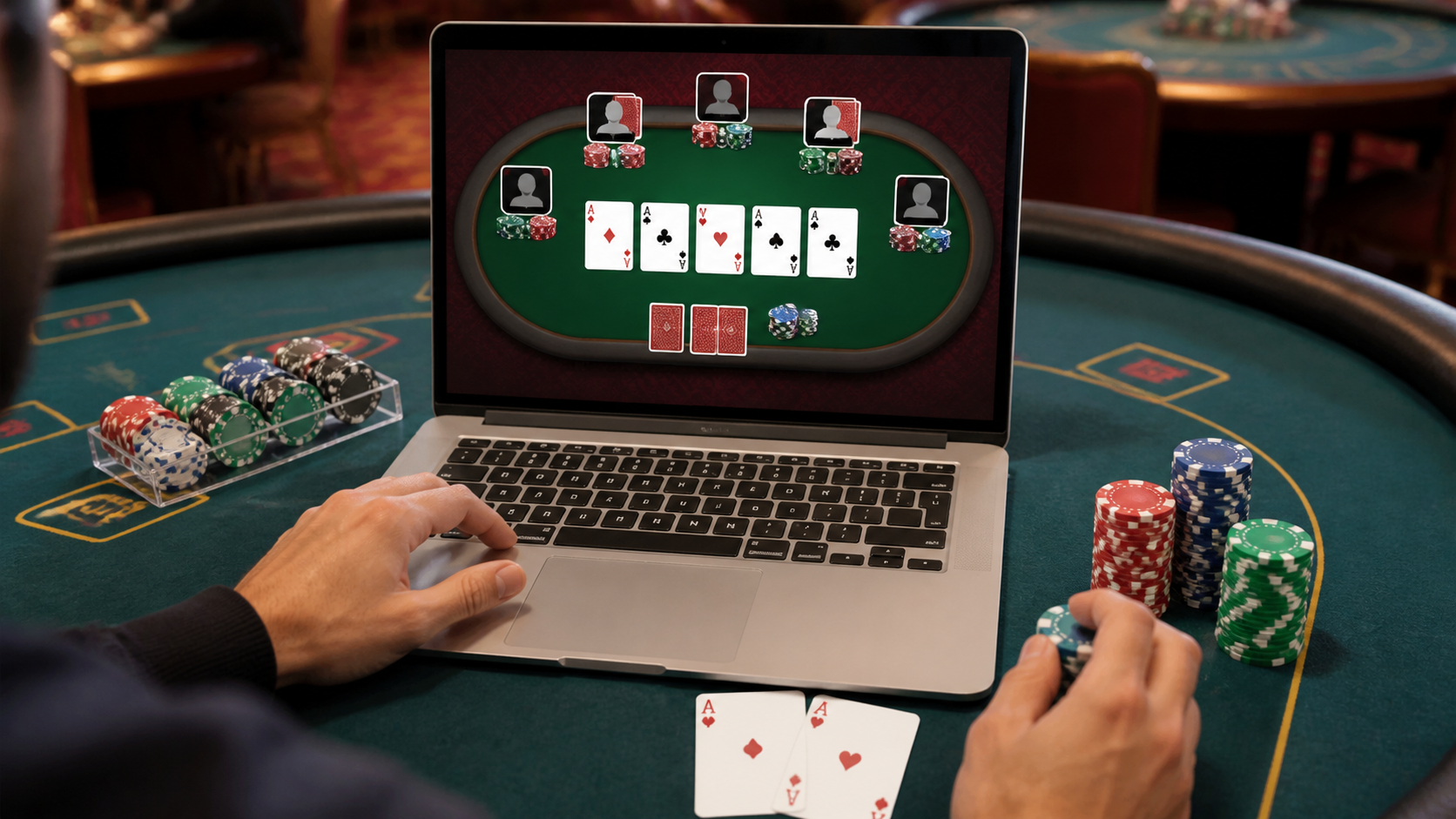
Online poker has become a familiar part of the modern games landscape because it combines strategy, patience, and fast decision-making in one place. For many players, it offers the appeal of poker without the need to sit at a physical table, while still keeping the core challenge intact: reading the situation, choosing the right action, and managing risk with discipline.
What makes the format so interesting is that it can suit different kinds of players. Some enjoy short sessions that fit into a busy evening, while others prefer longer tables where observation and timing matter more. If you are exploring a poker game online, it helps to think beyond the cards themselves and consider the structure, the pace, and the habits that make play more consistent over time.
For newcomers, the environment can feel crowded with options. There are different table formats, varying stakes, and different levels of competition. For more experienced players, the challenge shifts toward maintaining focus and making better decisions under changing conditions. Either way, success depends less on luck alone and more on understanding how the game works in practice.
What Makes Online Poker Different from Live Play
At first glance, the rules of poker may look similar whether the game happens online or in person. The real difference appears in the pace, the amount of information available, and the way players interact with each other. In a live setting, you may notice body language, table talk, and the physical rhythm of the game. Online, those clues are mostly absent, so players rely more heavily on betting patterns, timing, and table position.
This changes how decisions are made. A player who thrives in a live room may need time to adjust to the faster flow of online tables. At the same time, online play can reward a more structured approach because it reduces some distractions and gives players a chance to focus on numbers, tendencies, and repeat situations. That can be useful for anyone who wants to improve through careful observation rather than impulse.
Faster pace, different pressure
Online tables often move more quickly than live games, which means there is less time to think through every action. That can be helpful for players who prefer a brisk session, but it can also create mistakes when decisions are rushed. A good habit is to slow down mentally even when the table itself is moving fast. Treat each hand as a separate decision rather than reacting automatically to the previous one.
Less physical information, more pattern reading
Because you cannot rely on facial expressions or table presence, you need to pay closer attention to patterns. The size of a bet, the timing of a raise, and the consistency of a player’s decisions all provide clues. While none of these signals guarantees anything, they can help you build a more complete picture of how the table is functioning.
Choosing the Right Table and Game Format
One of the most practical decisions in online poker is not the hand you play, but the table you choose. Different formats create very different experiences, and the right choice depends on your goals. If you want a slower, more strategic session, a table with fewer aggressive players may suit you better. If you want variety and frequent action, another format may be more appropriate.
It is also worth thinking about your comfort level. Beginners often do better in settings where they can learn at a steady pace without feeling overwhelmed. More experienced players may prefer tables that offer tougher decisions and stronger opponents, because those tables often demand more precision. The goal is not simply to find action, but to find a setting where your decisions can actually matter.
- Table pace: Faster tables require quicker decisions and tighter focus.
- Player mix: Some tables are more passive, while others involve frequent raises and re-raises.
- Stake level: Choose a level that matches your comfort and bankroll.
- Session length: Make sure the format fits the time you actually have.
- Learning value: A useful table is one where you can notice patterns and improve.
Another factor is device preference. Some players like the larger screen and control of a desktop, while others appreciate the flexibility of mobile play. Both can work well, but the experience is better when the interface feels comfortable and readable. If you need to strain to follow the action, your decision-making can suffer.
Bankroll Discipline and Session Planning
Bankroll management is one of the clearest ways to improve your long-term approach. Even when the cards do not fall your way, a sensible plan can reduce unnecessary stress and help you stay focused. The idea is simple: do not treat every session as a chance to force a result. Instead, decide in advance how much you are comfortable using for play and separate that amount from everyday spending.
Session planning matters just as much as stake selection. A tired player tends to make looser decisions, chase marginal spots, or continue longer than intended. Setting a time limit can help you avoid that drift. If the session is not going well, a short break may be better than trying to recover immediately. That does not mean avoiding challenge; it means managing your energy so you can make clearer choices.
Good bankroll habits also support emotional control. A losing hand can be frustrating, but frustration often leads to poor follow-up decisions. Likewise, a winning streak can create false confidence and encourage overextension. The most useful mindset is steady rather than dramatic: respect the swings, keep decisions grounded, and avoid treating one table or one evening as a final verdict on your skill.
Reading the Table Without Overthinking
Online poker rewards observation, but there is a difference between useful attention and overanalysis. Newer players sometimes try to assign meaning to every action, even when the information is too thin. That can lead to hesitation and missed opportunities. A more balanced method is to focus on a few reliable cues and use them consistently.
For example, pay attention to how often a player enters pots, how strongly they bet in certain spots, and whether their actions seem consistent across hands. Over time, these patterns are more valuable than trying to guess what someone is holding in a single moment. Context matters too: a raise in one position may mean something different from a raise in another.
Common reading mistakes
- Assuming one aggressive action means a player is always bluffing.
- Ignoring table position when interpreting bets.
- Chasing patterns that are too small to be meaningful.
- Letting one surprising hand define an opponent too quickly.
Simple note-taking, when available, can also help. You do not need a complicated system. A few clear reminders about a player’s tendencies may be enough to guide later decisions. The point is not to build a perfect model of every opponent, but to make better choices based on what you have actually observed.
Safer Play Habits and Smarter Progress
As with any game that involves stakes, responsible habits improve the experience. It helps to treat online poker as a form of entertainment that also requires discipline. If you keep your expectations realistic, you are less likely to make emotional decisions when the game becomes difficult. That mindset is especially useful in a format where swings can happen quickly.
Progress also comes from review. After a session, it can be useful to think about a few key hands and ask whether your decisions were based on logic or reaction. Did you enter too many pots? Did you stay in a hand too long? Did you fold too quickly when the situation called for patience? These questions can reveal habits that are easy to miss in the moment.
Practical habits that support better play
- Choose stakes that feel manageable rather than stretching too far.
- Take breaks when focus starts to fade.
- Avoid playing when frustrated or distracted.
- Review a few hands after each session instead of relying on memory alone.
- Keep your approach flexible as table conditions change.
Improvement in poker rarely comes from one dramatic insight. It usually comes from a series of small adjustments: better table choices, more careful observation, steadier bankroll habits, and a calmer response to results. Those habits can make play feel more controlled and more rewarding over time.
Conclusion: Building a Better Online Poker Approach
A thoughtful poker experience depends on more than the cards in front of you. Table selection, pace, bankroll discipline, and table reading all shape the quality of your decisions. When those pieces work together, the game becomes less about reacting blindly and more about making informed choices from one hand to the next.
If you want to improve, focus on consistent habits rather than dramatic results. Choose environments that fit your skill level, keep your sessions manageable, and look for patterns without forcing conclusions. That approach will not remove uncertainty from the game, but it can make every session more practical, more controlled, and far easier to learn from.
