


Why Promotional Merchandise Makes a Lasting Impression
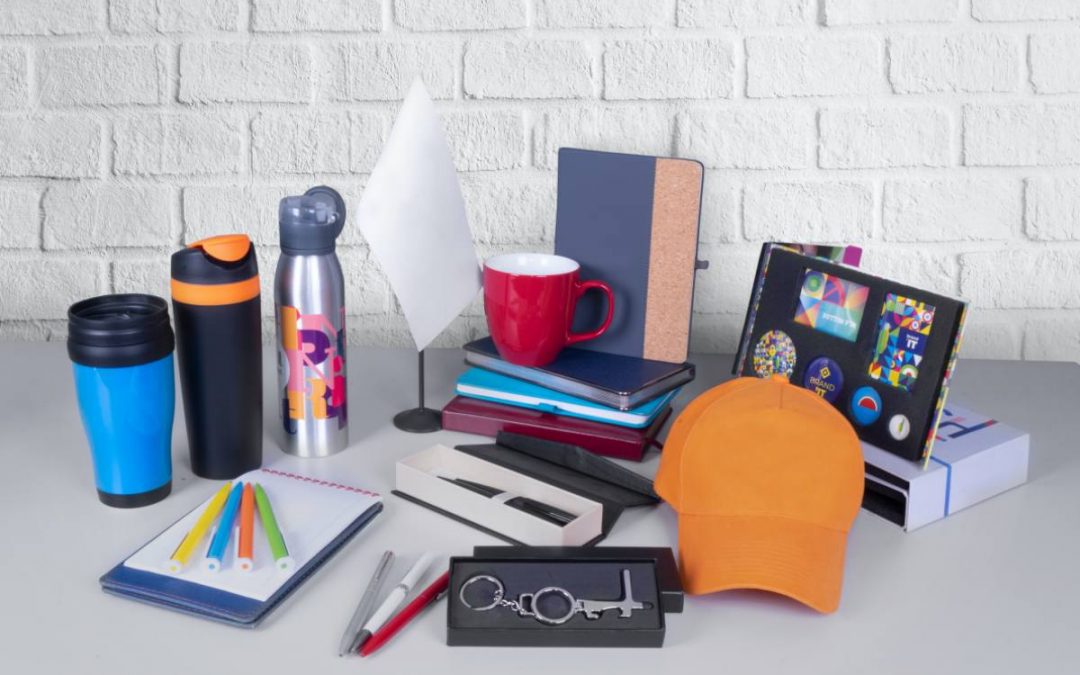
For businesses investing in promotional products Brisbane companies can use to increase brand visibility, the appeal is straightforward: a useful item can keep a brand in front of customers long after an initial interaction. From pens and drink bottles to notebooks and tote bags, promotional merchandise gives businesses a practical way to maintain visibility in everyday settings.
The idea behind promotional products is simple. Instead of relying solely on an advertisement that disappears from view, a business provides an item that people can keep, use and encounter repeatedly. Each interaction offers another opportunity for the brand to remain familiar.
However, successful promotional marketing involves more than printing a logo on an object. The item needs to suit its audience, deliver genuine value and communicate the business’s identity clearly. When these elements work together, promotional merchandise can support brand recognition and help businesses maintain meaningful connections with customers.
The Psychology Behind Brand Recall
People encounter commercial messages throughout the day, from digital advertisements and social media posts to billboards and retail displays. In this crowded environment, it can be difficult for a single message to remain memorable.
Physical promotional items offer a different experience. They can become part of a person’s routine rather than another message competing for immediate attention.
A branded notebook might accompany someone to meetings, while a reusable bag could be taken on shopping trips. A pen might sit on a desk and be used whenever someone needs to write something down. These ordinary interactions create repeated opportunities to notice a business name or logo.
Familiarity Through Repeated Exposure
Repeated exposure can contribute to familiarity. When people encounter a brand consistently, they may find it easier to recognise later, particularly when the business has maintained a clear and consistent visual identity.
Promotional merchandise can support this process because it gives a brand a physical presence beyond the original point of contact.
For example, a customer who receives a useful item at a business event may continue using it at home or work. The brand remains visible without requiring the customer to revisit the event or actively seek out the company.
This does not guarantee a purchase or ensure that the recipient will remember the business indefinitely. The outcome depends on factors such as the item’s usefulness, the recipient’s preferences and the quality of the branding. Nevertheless, repeated visibility gives businesses another way to reinforce recognition.
Why Usefulness Matters
An item is more likely to remain in circulation when it serves a clear purpose. Products that solve everyday problems or make routine tasks easier have a practical advantage over objects that offer little lasting value.
When selecting merchandise, businesses should consider:
- Daily relevance: Can recipients use the item at work, at home or while travelling?
- Quality: Is it durable enough to remain useful over time?
- Audience fit: Does it reflect the recipient’s interests, occupation or lifestyle?
- Brand visibility: Is the logo easy to recognise without overwhelming the design?
- Convenience: Is the product easy to carry, store and use?
These considerations help transform a basic giveaway into a considered marketing tool.
Choosing Branded Merchandise That People Actually Keep
Not every promotional item will suit every audience. A product that appeals to conference attendees may have limited relevance to school communities or hospitality customers. Understanding the intended recipients is therefore essential.
Businesses should begin by identifying the people they want to reach and considering how those individuals spend their time.
Practical Items for Everyday Use
Everyday products can offer repeated brand exposure because they are incorporated into familiar routines.
Common options include:
- Pens and stationery: Suitable for offices, conferences, educational settings and customer-facing businesses.
- Drink bottles and reusable cups: Useful for people who commute, work outdoors or travel regularly.
- Tote bags: Convenient for shopping, carrying documents or transporting personal belongings.
- Notebooks: Appropriate for meetings, training sessions, seminars and professional events.
- Desk accessories: Helpful for workplaces where products can remain visible throughout the working day.
The best choice depends on the audience rather than the popularity of the product alone. A well-selected item can feel thoughtful and relevant, while an unsuitable one may be quickly discarded.
Matching the Product to the Brand
A promotional product should reflect the business it represents. A company that emphasises sustainability might consider durable reusable items, provided the product’s materials and environmental claims can be substantiated. A professional services firm might prefer understated stationery that suits a formal working environment.
Consistency is important. Colours, typography and logo placement should align with the company’s existing identity so recipients can connect the merchandise with other brand communications.
Businesses should also avoid overcrowding a product with promotional messages. Clear, legible branding is generally more effective than a design that makes the item difficult to use or visually confusing.
How Promotional Products Support Brisbane Businesses
Brisbane businesses operate across a broad mix of industries, including professional services, construction, tourism, retail, education and hospitality. Promotional merchandise can serve different purposes across these sectors, from introducing a business to prospective customers to maintaining relationships with existing clients.
For local businesses, the value often lies in choosing merchandise that fits the circumstances in which it will be distributed.
Trade Shows and Networking Events
Exhibitions and networking events give businesses opportunities to introduce themselves to prospective customers and industry contacts.
A useful branded item can provide a reminder of that interaction after attendees leave the venue. Products that are easy to transport are particularly practical at busy events where visitors collect information from multiple exhibitors.
Businesses can strengthen the experience by pairing merchandise with a clear introduction, relevant product information or a simple next step, such as visiting their website.
Customer Appreciation and Client Relationships
Promotional merchandise can also support customer retention. A practical item included in a welcome pack or provided after a completed project can communicate appreciation without requiring an elaborate gift.
The gesture works best when it feels relevant to the relationship. Businesses should consider the recipient’s preferences and workplace policies before distributing gifts, particularly in industries with formal procurement or compliance requirements.
Community Events and Local Engagement
Community activities, sporting events and educational programmes can provide opportunities to distribute useful branded products to relevant audiences.
The key is to make the merchandise appropriate for the event. Products intended for families, students or outdoor participants may need different designs and practical features.
Businesses should also consider accessibility and suitability for the intended age group. For example, small components may be inappropriate for young children and some products may require safety information or age restrictions.
Measuring the Value of Promotional Marketing
Brand visibility is useful, but businesses also need to understand what their promotional activities achieve. Measuring results helps identify which products and distribution methods are worth repeating.
A common mistake is to judge a campaign solely by the number of items distributed. Distribution figures reveal how many products were handed out, but they do not establish whether recipients used them, remembered the brand or became customers.
A more considered approach combines several indicators.
| Measurement area | What to consider | Why it matters |
| Distribution | How many relevant recipients received an item? | Helps assess campaign reach |
| Engagement | Did recipients interact with the business or ask questions? | Provides insight into audience interest |
| Website activity | Did visits increase after the campaign? | Can indicate interest when tracking is properly configured |
| Enquiries | Did the business receive relevant enquiries? | Helps connect marketing activity with potential opportunities |
| Customer feedback | Did recipients find the product useful? | Informs future merchandise choices |
Businesses can also use campaign-specific landing pages or trackable links when appropriate. These methods provide additional evidence of engagement, although they cannot capture every instance of brand recall.
For a more direct assessment, companies can ask recipients how they heard about the business or conduct short surveys after an event. Results should be interpreted carefully because responses may be influenced by memory, timing and other marketing activities.
Avoiding Common Promotional Product Mistakes
Even a well-funded campaign can disappoint if the merchandise is poorly chosen or distributed without a clear objective.
Several practical mistakes are worth avoiding.
Should I Select Products Without Understanding the Audience?
A product should solve a genuine need or provide a useful experience. Ordering an item simply because it is inexpensive or widely available can lead to waste.
Before committing to a product, businesses should consider their audience, the distribution setting and the intended outcome.
How to Prioritise Logo Size Over Product Design?
Large branding may attract attention, but it can also make a product less appealing to use. The design should balance visibility with the item’s function and appearance.
A clean layout, readable lettering and appropriate colour contrast can help the brand remain recognisable.
Why Should I Not Ignore Quality and Presentation?
Poorly made merchandise may reflect negatively on the business. Product samples can help assess material quality, printing clarity and overall usability before a larger order is placed.
Presentation also matters. Clean packaging, accurate branding and a well-organised distribution process contribute to a more professional impression.
What if I Fail to Define Campaign Objectives?
Businesses should establish what they want the campaign to accomplish before choosing products. Objectives might include introducing a new service, supporting an event, strengthening customer relationships or increasing awareness within a particular industry.
A defined objective makes it easier to select suitable merchandise and evaluate the results.
Making Every Promotional Item Work Harder
The effectiveness of promotional merchandise comes from the relationship between the product, the audience and the brand message. A useful item can create repeated opportunities for recognition, but its success depends on thoughtful selection and consistent execution.
Businesses should begin with a clear understanding of their audience, choose products that suit everyday needs and ensure the branding is professional and easy to recognise. They should also consider the context in which the merchandise will be distributed and establish a practical way to evaluate the campaign afterwards.
For Brisbane businesses, promotional products can complement digital advertising, direct communication, networking and customer service. They are not a replacement for a strong marketing strategy, but they can give that strategy a tangible element that recipients interact with beyond the initial exchange.
The most effective approach is to focus on lasting usefulness rather than short-lived novelty. When an item earns a place in someone’s routine, the brand gains opportunities to remain visible naturally. That is the real value of thoughtful promotional merchandise: not simply putting a logo on a product, but creating something people have a reason to keep.
