


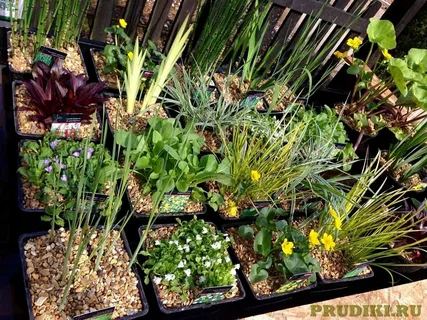
Garden ponds come in many shapes and sizes, from small container ponds to large wildlife ponds and decorative water features. Choosing suitable plants can improve the appearance of your pond while supporting a healthier aquatic environment. Learning How to Buy Pond Plants Online for Every Type of Garden Pond can make the selection process easier and help you find varieties suited to your specific conditions.
Why Choose Pond Plants for Your Garden Pond?
Pond plants can provide colour, texture, shade, and natural beauty. They may also create valuable habitats for insects, amphibians, and other wildlife.
A mixture of plant types can give your pond a layered appearance, with vegetation growing underwater, across the water surface, and around the edges.
Identify Your Type of Garden Pond
The first step in understanding How to Buy Pond Plants Online for Every Type of Garden Pond is identifying your pond’s characteristics.
Small Container Ponds
Container ponds have limited space, so compact and slow-growing varieties are usually more suitable. Avoid plants that can quickly spread and overcrowd the container.
Ornamental Ponds
Decorative ponds can benefit from colourful flowering plants and attractive foliage. Water lilies, selected floating plants, and well-positioned marginal plants can create a striking display.
Wildlife Ponds
Wildlife ponds are designed to provide natural habitats. Native aquatic and marginal plants can be particularly useful because they can complement the local ecosystem while providing shelter and breeding areas for wildlife.
Large Garden Ponds
Larger ponds provide more room for a wider selection of plants. You can combine oxygenating plants, water lilies, floating varieties, and marginal plants to create different levels of vegetation.
Understand Different Types of Pond Plants
Knowing what each plant does is essential when deciding How to Buy Pond Plants Online for Every Type of Garden Pond.
Oxygenating Plants
These plants grow underwater and contribute to a healthy aquatic environment. They can be useful in ponds containing fish and other aquatic organisms.
Floating Plants
Floating varieties sit on the water’s surface and can provide shade and shelter. They also add visual interest without requiring traditional planting around the pond.
Marginal Plants
Marginal plants grow in shallow water and moist areas near the pond edge. They are excellent for adding colour, height, and texture to the surrounding landscape.
Water Lilies
Water lilies are popular ornamental plants with floating leaves and attractive flowers. Choose varieties according to your pond’s depth and available surface area.
Check Planting Requirements Before Ordering
Online plant descriptions should provide information about growing conditions, mature size, planting depth, and sunlight requirements. Review these details carefully before making a purchase.
Consider how much sunlight your pond receives during the day. Some varieties prefer full sun, while others can tolerate partial shade. Choosing plants that match your pond’s conditions can encourage stronger growth.
Choose a Reliable Online Supplier
A reputable supplier should provide clear product descriptions and practical care information. Look for details about plant size, delivery methods, planting instructions, and seasonal availability.
It is also worth checking customer reviews and the supplier’s plant-care guidance. Healthy plants that are carefully packaged are more likely to establish successfully after delivery.
Plan Your Pond Plant Arrangement
Think about how plants will look once they mature rather than focusing only on their appearance when first purchased. Place taller marginal plants toward the back or sides and lower-growing varieties where they will not hide the pond.
Avoid overcrowding the water surface. A balanced arrangement can provide attractive coverage while leaving enough open water to maintain the pond’s visual appeal.
Maintain Your Pond Plants
Once your plants are established, regular care will help keep them healthy. Remove dead leaves and flowers, control excessive growth, and divide overcrowded plants when necessary.
Monitor your pond throughout the growing season. If a particular variety spreads too aggressively, pruning or relocating it may help maintain a balanced environment.
Final Thoughts
Choosing the right aquatic plants does not have to be complicated. By understanding your pond’s size, depth, sunlight, purpose, and available space, you can select varieties that fit naturally into your garden. With a little research and careful planning, How to Buy Pond Plants Online for Every Type of Garden Pond becomes a straightforward process that can help you create a beautiful, thriving water feature.
